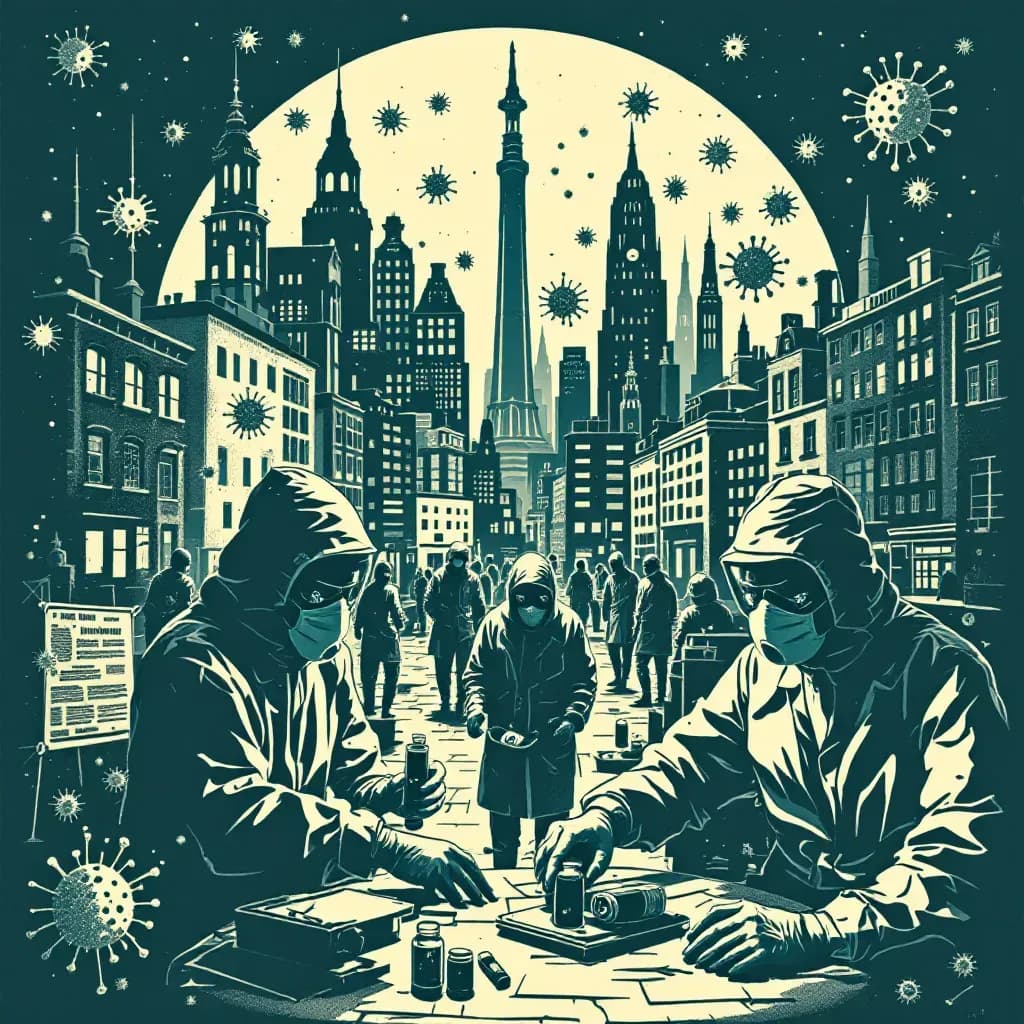
Bioterror
The invisible threat explained – from biological agents to societal chaos
Bioterror: The ultimate hidden threat. When disease becomes a weapon, creating fear and chaos. Understand the grave dangers and why it's so difficult to stop.
The invisible threat explained – from biological agents to societal chaos
What is bioterror, and how does this threat differ?
Bioterror, a serious phenomenon within true crime, refers to the intentional use or threat of use of biological agents—such as viruses, bacteria, or toxins—with the aim of causing illness, harm, or potential mass death among humans, animals, or plants. The goal is typically to create widespread fear, influence political decisions, or destabilize social order. What distinguishes this form of terror from traditional violence is often the covert and potentially slow-acting nature of the attack; consequences may only manifest days or weeks after the initial dissemination, creating profound uncertainty and panic in the population. This type of crime, which employs biological weapons, makes crime scenes diffuse and the identification of victims complicated in the early stages, as the risk of contagion is often a central factor.
Bioterror's effects: From disease waves to crisis
Beyond the direct health consequences, which can range from widespread disease to mass death and, in the worst cases, trigger situations with pandemic potential, bioterror can have devastating repercussions for the economy, public trust in authorities, and overall national security. The investigation of bioterror incidents is extremely complex and resource-intensive. It requires in-depth specialized knowledge in microbiology, epidemiology, and advanced forensic science to identify the specific biological agent, trace its origin, and ultimately link it to the responsible perpetrators. These perpetrators can be individuals, organized terrorist groups, or even state actors, whose motives can vary from political extremism and ideological terror to a desire to create widespread chaos or exact personal revenge.
Bioterror in crime: Fear of 'the invisible enemy'
Understanding bioterror is essential within the true crime genre, as it sheds light on a unique type of threat. Here, the motive, method, and potentially catastrophic consequences differ significantly from more conventional crimes. The fear of the invisible enemy and the unknown plays a central role in public consciousness and media coverage of the topic. Although successful bioterror attacks are historically rare, the potential for extensive damage, including the risk of mass death and societal paralysis, coupled with the profound psychological impact, constitutes an ongoing and serious concern for authorities globally. This underscores the critical importance of robust preparedness and a thorough understanding of this complex form of terrorism and crime.
Want to know more about real-life bioterror? Explore cases of attacks with dangerous toxins and the intense hunt for the perpetrators. Find our in-depth cases on Bioterror below.
Posts Tagged “Bioterror”
0 postsNo posts found with this tag.