Frank Serpico: NYPD's Lone Corruption Fighter, Legacy
Sagsdetaljer
Quick Facts
Frank Serpico: shook NYPD with corruption revelations
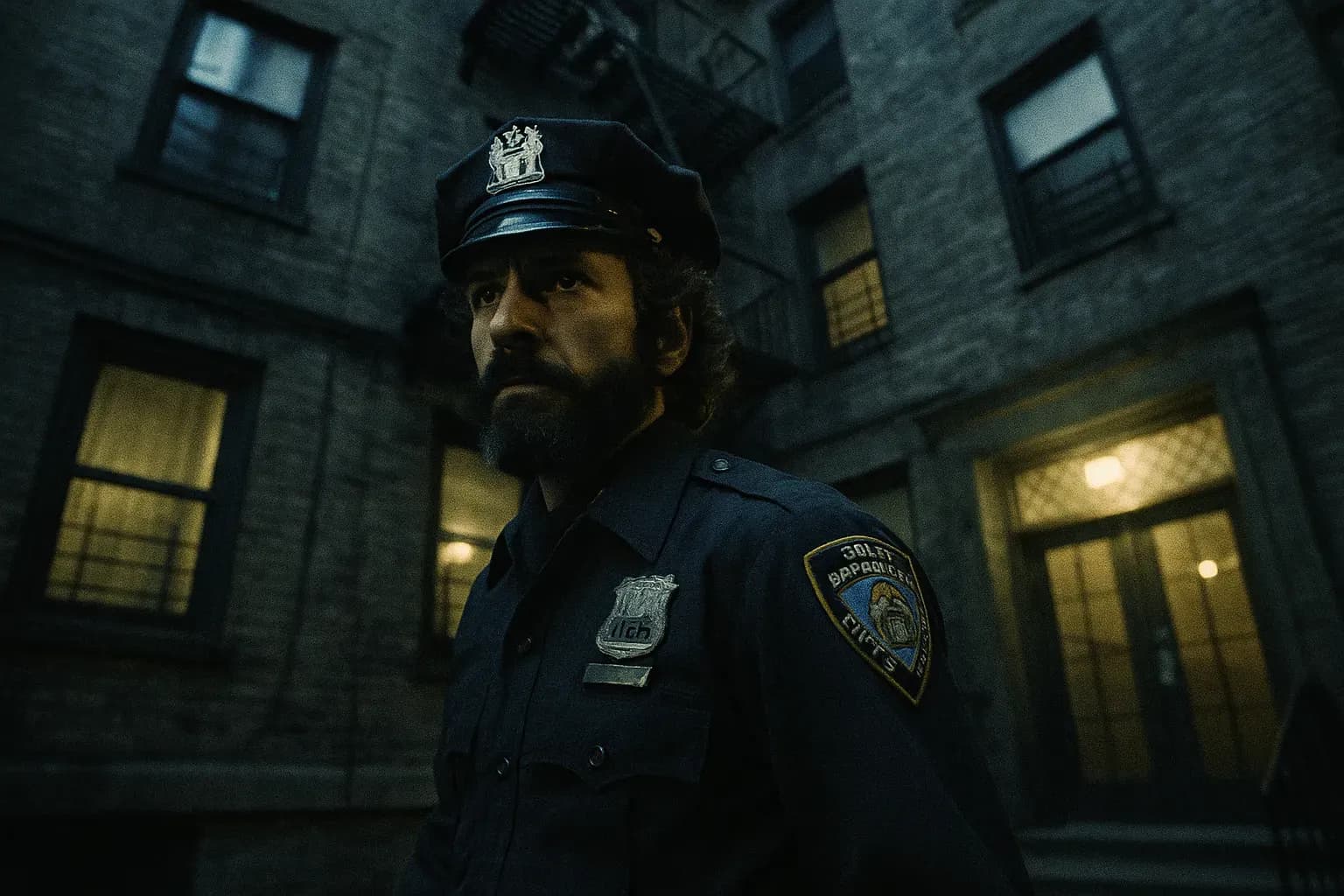
In the late 1960s and early 1970s, a single police officer shook New York City by exposing a network of widespread corruption that reached deep within the police force's own ranks. Frank Serpico, a courageous plainclothes officer in the New York City Police Department (NYPD), became a symbol of the fight against systemic bribery and fraud – a high-profile case that nearly cost him his life and changed his career forever.
From idealist to outsider: Serpico's NYPD early years
Frank Serpico was born on April 14, 1936, in Brooklyn, New York, and grew up with a strong sense of justice. After serving in the U.S. Army during the Korean War, he returned to Brooklyn and joined the NYPD in 1959. At 23, he became a plainclothes officer, often working undercover to combat crime. However, behind the facade of official law enforcement, Serpico soon encountered a grim reality marked by corruption. Officers routinely accepted bribes from criminals, protected illegal gambling activities such as illicit casinos, and allowed drug traffickers to operate freely. This extensive police corruption involved everything from small sums to large amounts of money. Serpico consistently refused to participate in these practices, which isolated him and created animosity among many colleagues. He maintained that an officer's primary loyalty was to the citizens, not to colleagues who broke the law.
Reports to media: Serpico and Durk expose corruption
As early as 1967, Frank Serpico attempted to report documented evidence of systemic corruption within the NYPD to his superiors, but his allegations were ignored. He was perceived as a threat and an outsider. His isolation lessened when he met David Durk, another NYPD officer who shared his disgust for the widespread corruption. In 1970, Serpico and Durk took a decisive step: they contacted the media, specifically journalists at *The New York Times*. On April 25, 1970, investigative journalist David Burnham published a shocking front-page story titled “Graft Paid to Police Here Said to Run Into Millions.” The article, based on Serpico and Durk's courageous testimony, revealed that police corruption and bribery reached the highest echelons of the New York police force. These media revelations triggered a public scandal, and the city's mayor, John V. Lindsay, established the famous Knapp Commission to conduct a thorough investigation into the allegations.
Assassination or not? Brutal shooting nearly fatal
As pressure mounted from the revelations and the impending investigation, everything changed dramatically for Frank Serpico on February 3, 1971. During an attempt to arrest suspected drug traffickers at 778 Driggs Avenue in Brooklyn, Serpico was shot in the face. Although the shot was fired by a criminal, strong suspicions quickly arose that his NYPD colleagues had deliberately left him in a life-threatening situation. The events of this Brooklyn shooting were chaotic. Serpico had entered to confront the suspects, but when he was shot, his fellow officers at the scene allegedly failed to react. The bullet struck him below the eye, causing permanent hearing damage and lodging in his skull. According to Serpico, he vainly called for help from his colleagues, but no one responded or radioed for assistance. It was a civilian who eventually alerted an ambulance. This shooting and its controversial circumstances exacerbated the already significant scandal.
Knapp Commission: NYPD corruption revelations unfold
In response to the serious allegations of corruption, Mayor Lindsay established the Knapp Commission in May 1970, headed by Judge Whitman Knapp. The commission conducted extensive public hearings and interviewed over 100 witnesses, including several corrupt NYPD officers. The Knapp Commission's report concluded that police corruption in New York was systemic, involving not only bribery but also direct police involvement in illegal activities such as drug trafficking, prostitution, and organized gambling. The report distinguished between 'meat-eaters' – officers who actively sought bribes – and 'grass-eaters,' who more passively accepted them. The commission made several recommendations, including stricter internal oversight, more frequent rotation of officers, and the introduction of integrity tests. In the wake of the report, the new NYPD Police Commissioner, Patrick V. Murphy, introduced reforms in 1972 that, among other things, restricted the use of deadly force and sharpened the focus on integrity in an effort to combat widespread corruption.
From film to honor: "Serpico" and Medal of Honor 2022
Frank Serpico's high-profile case and fight against corruption in the NYPD were immortalized, notably through Sidney Lumet's critically acclaimed 1973 film "Serpico." The movie, starring Al Pacino as Frank Serpico, vividly portrayed his lonely struggle, the systemic bribery, and the dramatic Brooklyn shooting scene where his colleagues' hesitation was highlighted. This significantly helped cement the story of corruption within the New York police force in public consciousness. After the revelations and the violent shooting, Frank Serpico moved to Europe for nearly a decade, partly out of fear for his safety. Many years later, in 2022, he finally received his correctly issued Medal of Honor from the NYPD. He described the recognition as a bittersweet victory, as his life and career as a police officer had been effectively destroyed by his fight against corruption.
Serpico's legacy: reforms and fight against corruption
Although corruption within the NYPD did not disappear entirely – and some of the exposed officers reportedly continued their illegal activities – Frank Serpico's case and the Knapp Commission's work laid the groundwork for important reforms. These included the establishment of stronger civilian review boards and improved whistleblower protection for officers reporting corruption and bribery. Frank Serpico's high-profile case stands as a powerful testament to the personal and professional costs of challenging a deeply corrupt system. From his first courageous reports in the 1960s to the Knapp Commission's revealing report in 1972, this scandal in the USA fundamentally changed public perception of the police in New York and elsewhere. Serpico demonstrated that the actions of a single witness can challenge even the most entrenched systems of injustice and corruption. However, the phenomenon known as the 'blue wall of silence' – the informal but strong code among officers not to report colleagues' misconduct – continues to pose a significant challenge in the fight against police corruption. As Frank Serpico himself has stated: “Without public outcry, there can be no justice.” His story underscores the importance of the media's role in bringing such cases to light.
Revelations, corruption, and the fight for justice. Follow KrimiNyt for more in-depth cases from the darkest sides of reality.
Susanne Sperling
Admin