Exxon Valdez: Alaska oil disaster 1989, lasting impacts
Sagsdetaljer
Quick Facts
Exxon Valdez grounding: 10.8 million gallons spilled in Alaska
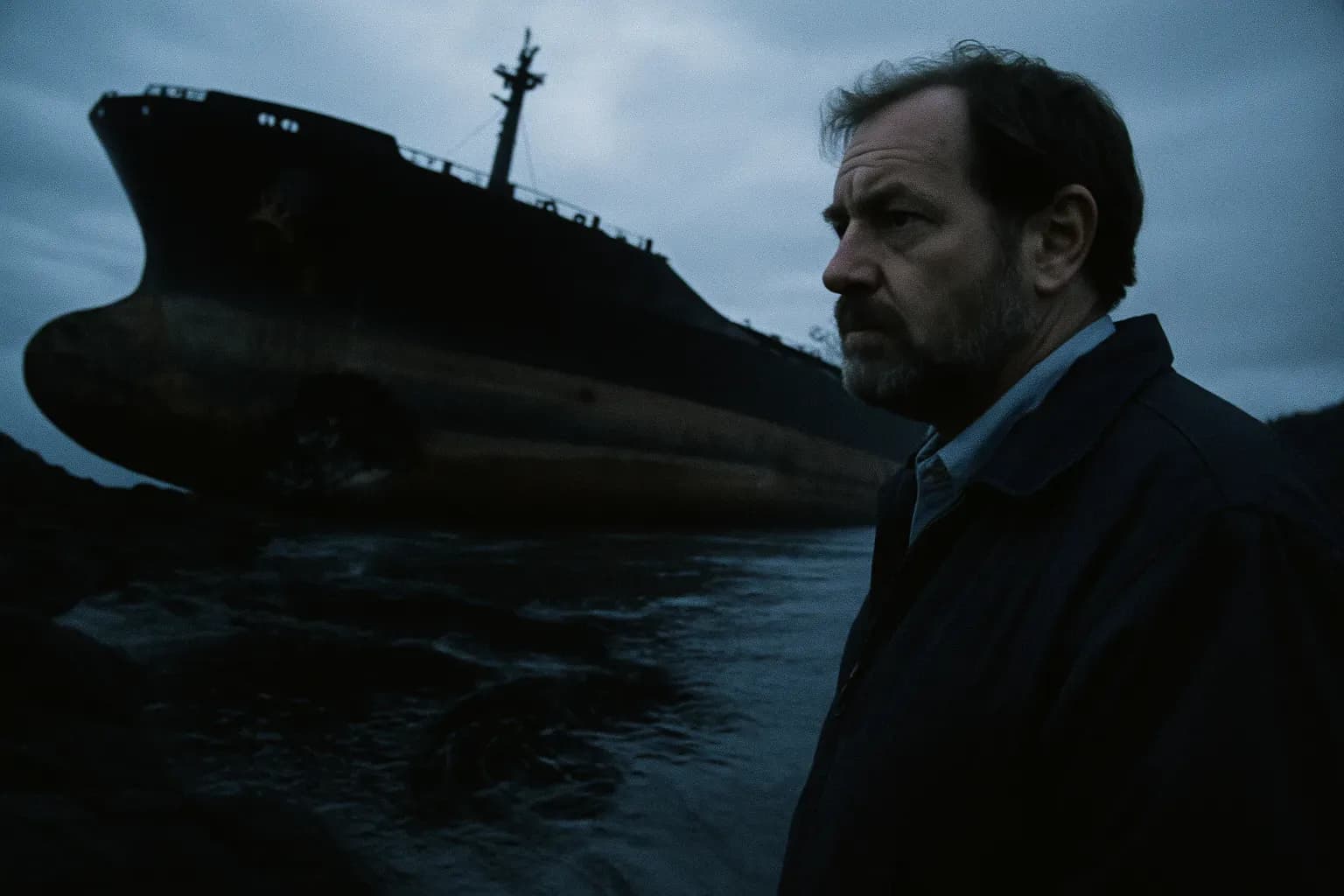
Just after midnight on March 24, 1989, a deafening scraping sound shattered the silence in Prince William Sound, Alaska. The 987-foot oil tanker, Exxon Valdez, had run aground on Bligh Reef. On board were 53 million gallons of crude oil, and soon an estimated 10.8 million gallons of the viscous cargo gushed into the icy, Arctic-influenced waters.
This night marked the beginning of one of the worst environmental disasters in U.S. history – a tragedy caused by a massive oil spill that left indelible, devastating marks on Alaska's vulnerable nature and forever changed the global approach to oil transport and maritime safety. The journey for the Exxon Valdez had begun just hours earlier, at 9:12 PM on March 23, when the tanker departed the Alyeska Pipeline Terminal in Valdez. Under the command of Captain Joseph Hazelwood, the ship was en route to Long Beach, California, laden with a quantity of crude oil equivalent to the contents of 125 Olympic-sized swimming pools.
Disaster's start: Exxon Valdez's voyage from Valdez
After navigating through the narrow Valdez Narrows with a local pilot on board, Captain Joseph Hazelwood left the bridge at 11:53 PM. Control was handed over to Third Mate Gregory Cousins, and the autopilot was engaged. However, a fatal combination of suspected fatigue, inadequate radar monitoring, and a critical course change to avoid ice floes led the Exxon Valdez directly towards the notorious Bligh Reef. At 12:04 AM, the hull struck granite, and eight of the tanker's eleven cargo tanks ruptured.
Critical minutes: Hazelwood leaves bridge, autopilot on
The dark crude oil spread with alarming speed. Within weeks, the spill had contaminated approximately 1,300 miles of Alaska's coastline – an unimaginable stretch. Prince William Sound, a unique and vulnerable ecosystem renowned for its abundance of salmon, sea otters, whales, and seabirds, was hit by a black, toxic tidal wave of oil. The immediate wildlife death toll was catastrophic: an estimated 250,000 seabirds, 2,800 sea otters, 300 harbor seals, and 250 bald eagles perished. The oil pollution decimated the juvenile salmon population near Kodiak Island, and the Pacific herring stock collapsed completely in 1993, a direct consequence of the disaster.
Devastation's extent: 1,300 miles tainted and wildlife lost
The subsequent cleanup operation following the oil spill evolved into a logistical and environmental nightmare, and the handling of the initial critical days was widely considered a scandal. The remote location of Prince William Sound, combined with a lack of adequate equipment and bureaucratic slowness, delayed an effective response to the massive pollution. Exxon only began deploying oil recovery vessels after three critical days, and it is estimated that only about 8.5% of the spilled oil was ever collected. Instead, unconventional methods dominated: firefighters attempted to burn off oil slicks, while high-pressure washers scoured rocks – a process that inadvertently harmed marine organisms deeper in the sediment layers. Over 10,000 workers, 1,000 boats, and 100 aircraft participated in the chaotic effort, which tragically cost four lives.
Cleanup chaos: Delayed response, only 8.5% oil recovered
Captain Joseph Hazelwood was quickly singled out as the public scapegoat in this high-profile case. Although blood tests taken hours after the grounding showed a blood alcohol content of 0.061% – above the legal limit for mariners in the U.S. – he was acquitted of operating a vessel under the influence in connection with the accident itself. Instead, he was convicted of a less serious offense: negligent discharge of oil, resulting in a $50,000 fine and 1,000 hours of community service. This sentence was considered lenient by many in light of the disaster's magnitude.
Captain Hazelwood: From blame to lenient sentence for spill
ExxonMobil, the company behind the Exxon Valdez, reached a civil settlement of $900 million, to be paid over a ten-year period, to cover part of the damages from the oil spill. However, one of the most significant and long-term consequences of the disaster was the passage of the Oil Pollution Act of 1990. This landmark U.S. legislation significantly tightened requirements for oil tankers, including a mandate for double hulls on all tankers calling at U.S. ports.
Legal aftermath: $900 million settlement and new oil laws
Even today, more than three decades after the Exxon Valdez disaster, remnants of crude oil can still be found buried beneath the sand on isolated beaches in Prince William Sound. A 2001 study estimated that up to 6% of the originally spilled oil – equivalent to hundreds of thousands of gallons – remained hidden in the intertidal zone, a persistent source of pollution. For certain animal populations, such as the AT1 pod of killer whales (of which only a few individuals survived the disaster) and the marbled murrelet population, the damage from the oil spill has proven irreparable. The environmental catastrophe also had profound consequences for Alaska Native communities in areas like Chenega Bay and Tatitlek. Their traditional way of life, based on fishing and harvesting from the sea, was devastated as their fishing grounds became heavily contaminated by oil, and centuries-old cultural traditions were abruptly disrupted.
Lasting scars: Oil in sand, wildlife harm, community impact
Tourism in the Alaska region also suffered a severe blow as a result of the oil spill; in 1989 alone, the number of tourists in southwestern Alaska dropped by 35%. Although salmon stocks have gradually recovered, Pacific herring in Prince William Sound have never returned to their pre-disaster levels.
Economic fallout: 35% tourism drop and vanished herring
The Exxon Valdez disaster stands as a grim monument to the consequences of human fallibility and the fragility of nature, even in the most remote Arctic-adjacent regions. Every time a modern tanker, now often double-hulled, safely navigates past Bligh Reef in Prince William Sound, the light buoy marking the dangerous reef serves as a reminder of that fateful night when Alaska's heart bled black oil.
Destruction's legacy: Exxon Valdez's and Bligh Reef's lesson
Want to read more stories about landmark disasters and their far-reaching consequences? Follow KrimiNyt and never miss the next in-depth case.
Susanne Sperling
Admin