Dunblane Massacre 1996: Hamilton's Terror and Gun Reform
Sagsdetaljer
Quick Facts
March 13, 1996: 17 killed in Hamilton's school attack
On March 13, 1996, an unimaginable tragedy shook the small Scottish town of Dunblane. The incident, which became known as the Dunblane massacre, would forever change Britain's stance on gun control. Shortly after nine in the morning, 43-year-old Thomas Watt Hamilton parked his van at Dunblane Primary School. In the vehicle, he had four legally acquired handguns – two 9mm Browning HP pistols and two Smith & Wesson M19 .357 Magnum revolvers – along with 743 rounds of ammunition.
With cold-blooded precision, Hamilton first cut the school's telephone lines to prevent emergency calls. He then moved towards the gymnasium, where a class of young children had just begun their morning gymnastics. In under four minutes, Hamilton carried out a brutal shooting inside the hall. He killed 16 five- and six-year-old children and their teacher, Gwen Mayor, and wounded 15 others before committing suicide by turning one of his weapons on himself. When police arrived 14 minutes after the first emergency call from headmaster Ronald Taylor, the school massacre was already over. The brutal violence and scale of this school shooting deeply shocked the nation and triggered an immediate demand for fundamental changes in gun legislation.
Thomas Hamilton: From leader to paranoid loner
To understand the massacre, one must look at Thomas Hamilton's troubled past. Born in 1952, he showed an early interest in working with children and became a scout leader at the age of 20. However, he lost this position after complaints of inappropriate behavior. In the 1980s, Hamilton tried to start his own sports clubs for boys, where he taught gymnastics and shooting, part of his interest in firearms. His behavior, however, became increasingly eccentric, including photographing young boys in inappropriate poses, which caused a minor local scandal and led parents to remove their children.
Hamilton reacted with growing paranoia and a firm conviction that he was the victim of a nationwide conspiracy. He sent countless letters of complaint to local authorities and even the Queen, raging against the alleged injustices. Although a formal posthumous diagnosis of psychopathy was never made, psychologists have speculated that Hamilton's actions leading up to the shooting and the massacre itself were driven by a deep-seated grudge and possibly a planned suicide designed to "punish" the society by which he felt persecuted. The discovery of draft press releases in his home indicates he was fully aware of the potential media impact of his violence.
Dunblane victims: Families and Snowdrop gun campaign
The murdered children and their teacher left behind shattered families and a community in deep mourning. Among the victims was Emily Morton; her mother, Rosemary, later became a central figure in the landmark Snowdrop Campaign. Five-year-old Sophie North's father, Dr. Mick North, became a tireless voice in the fight for stricter gun laws in Britain, having also lost his wife to cancer.
The headmaster of Dunblane Primary School, Ronald Taylor, who was one of the first at the crime scene after the shooting, subsequently struggled with severe trauma and overwhelming guilt, which he later described openly.
From grief to action: Snowdrop forced UK gun ban
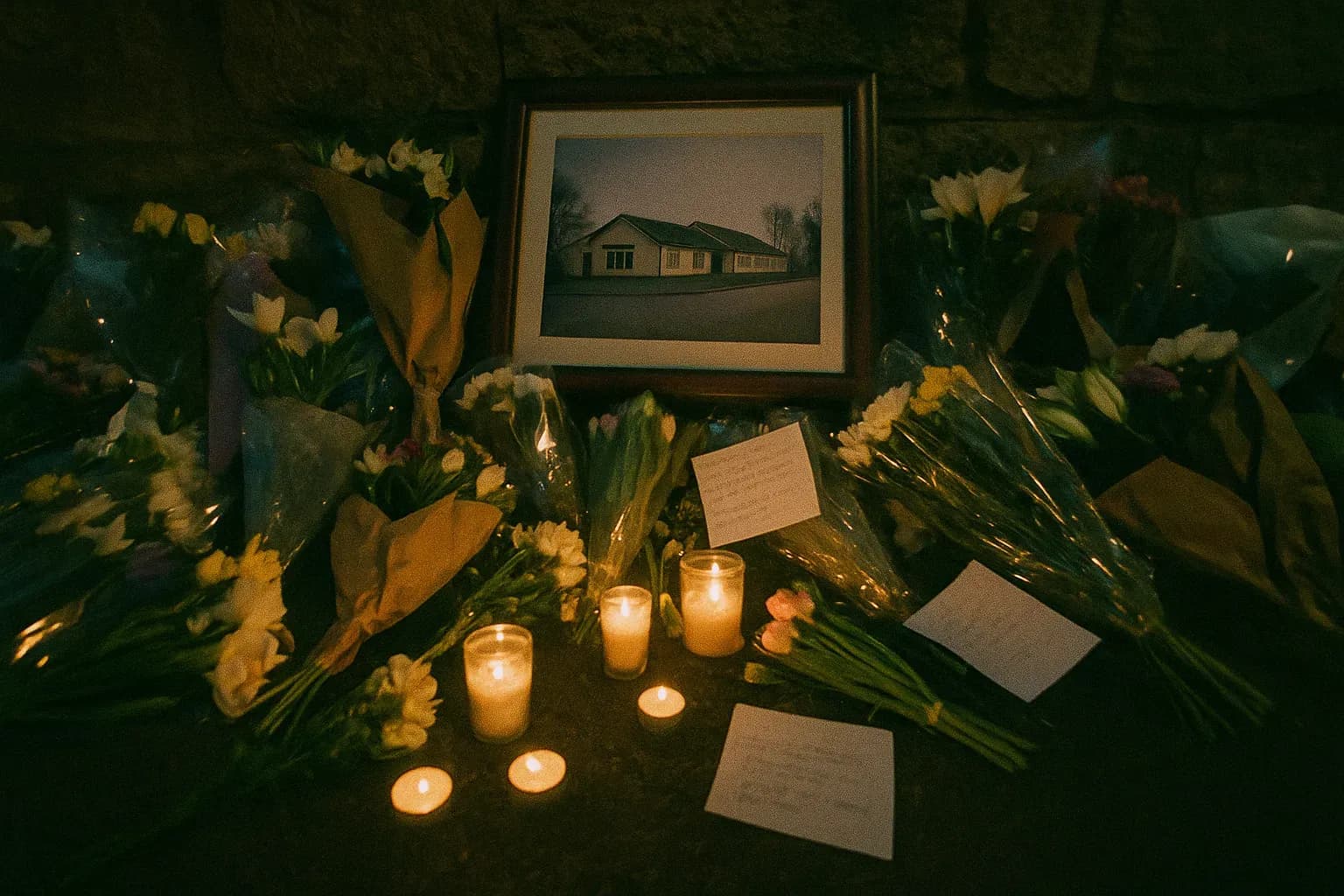
The immediate and overwhelming grief over the Dunblane massacre quickly transformed into a powerful grassroots movement for change. The Snowdrop Campaign, named after the first spring flowers and a symbol of hope for the murdered children, gathered over 750,000 signatures. The demand was a total ban on the private ownership of handguns in Britain. The campaign, which also focused on safety in education and child protection, put enormous pressure on politicians.
An official inquiry, led by Lord Cullen, recommended stricter gun regulations. However, it was public outrage and the tireless work of the bereaved families that secured the passage of two new firearms laws, the Firearms Acts, in 1997. These laws resulted in significantly tighter gun legislation, effectively banning private ownership of all handguns above .22 calibre. A comprehensive national buy-back program for previously legal firearms was also initiated. The result was impressive: 162,000 handguns and 7,000 tons of ammunition were collected in the largest firearms surrender in the country's history. The effect of the new gun legislation was noticeable; the number of fatal shootings in Britain fell by 50% in the following decade.
Legacy of Dunblane: Tragedy that changed Britain
The Dunblane massacre stands as a dark yet pivotal chapter in Britain's history of violence and the consequences of inadequate gun control. While other nations have experienced repeated school shootings without implementing similarly radical legislative changes, the tragedy in Dunblane mobilized British society to decisive action. Dunblane Primary School has since been rebuilt, and a beautiful memorial to the murdered children and their teacher has been established in the school's peaceful garden.
The legacy of Dunblane lives on, not only in the ongoing debate about gun control and the prevention of shootings, but also as a powerful testament that collective action and political will can emerge even from the deepest national grief. As the bereaved from Dunblane wrote in a letter of support to the victims of the Parkland shooting in the USA in 2018: change is possible when courage is followed by action. This tragedy also underscored the importance of safety in education.
Want to read more stories about landmark criminal cases and their impact on legislation? Follow KrimiNyt and never miss the next in-depth analysis.
Susanne Sperling
Admin