Cambridge Analytica: From Quiz to Data Scandal
Sagsdetaljer
Quick Facts
Data Harvest: Quiz collected data from 87 million users
The spring of 2018 marked the explosion of one of the largest data breaches and scandals in recent times, shaking the digital world. The British analytics firm Cambridge Analytica was exposed for illegally collecting and misusing personal data from millions of Facebook users. This case raised serious questions about privacy, digital manipulation, and the vulnerability of democracy.
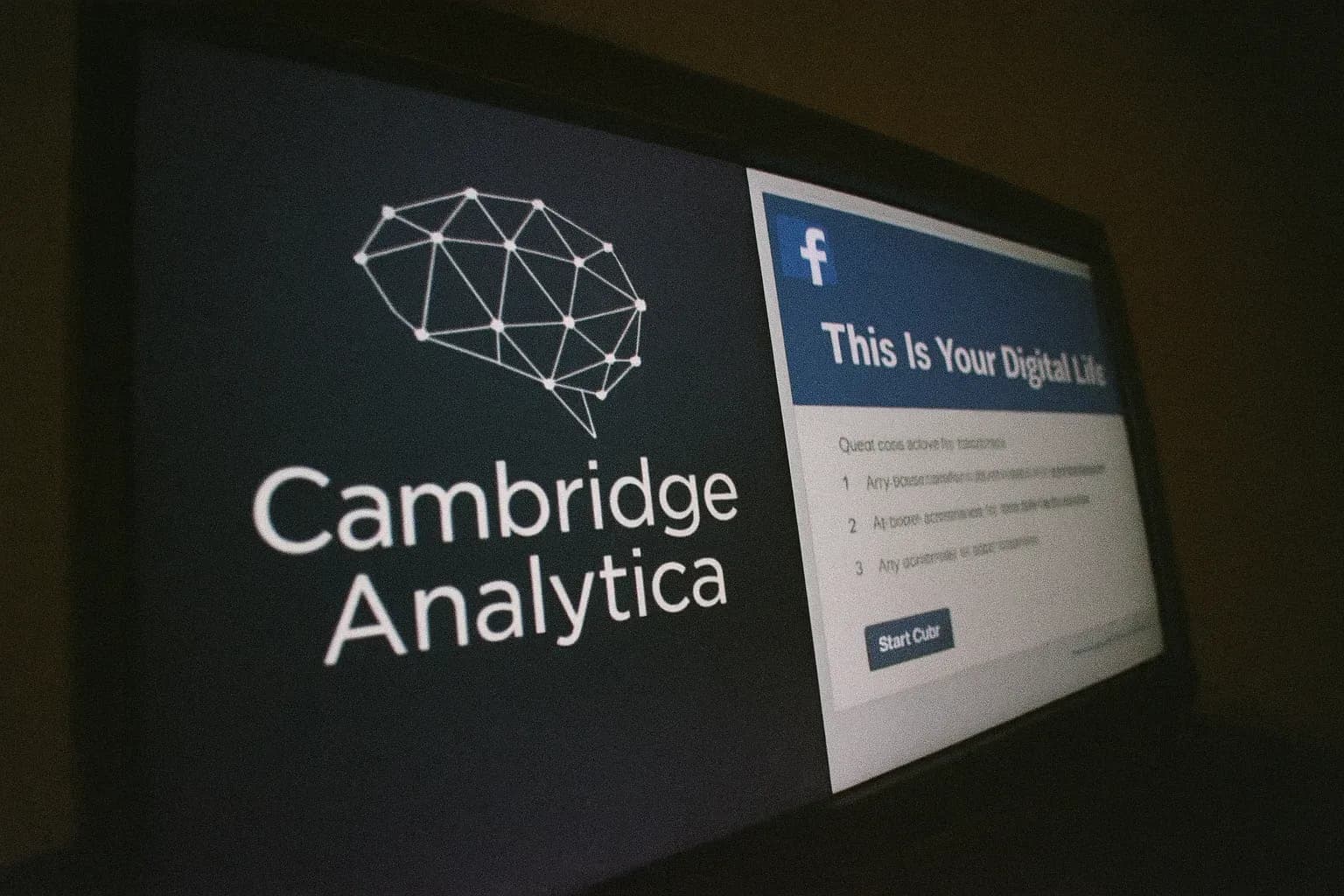
At the heart of the scandal was the Facebook app "This Is Your Digital Life," developed by psychology professor Aleksandr Kogan from Cambridge University, ostensibly as a scientific personality test. Few knew, however, that the app not only harvested data from the approximately 270,000 users who took the test but also from all their Facebook friends – a network of up to 87 million people globally. This extensive personal data, which included everything from 'likes' and location information to potentially private messages, was then sold to Cambridge Analytica.
Methods: Nix's profiling and Wylie's voter insights
Cambridge Analytica, funded by the influential American Mercer family and led by the charismatic Alexander Nix, specialized in advanced psychographic profiling. By analyzing the collected Facebook data and combining it with other sources, the firm could create detailed voter profiles and predict their personality traits and reactions to political messages. Alexander Nix later boasted in secret recordings of possessing up to 5,000 data points on every American voter, paving the way for extremely targeted political advertising designed to appeal to individual fears and prejudices.
A key figure in exposing the company's methods was Christopher Wylie, a young data expert and whistleblower who was crucial to Cambridge Analytica's technological development. Wylie explained how the firm used the collected personal data for voter manipulation, particularly in connection with Donald Trump's 2016 presidential campaign in the US and potentially also during the Brexit referendum in the UK. When Christopher Wylie understood the extent of the misuse and its potential consequences for democratic processes, he began to gather crucial digital evidence.
Scandal Unfolds: Media, recordings, and hearings
In March 2018, The Guardian and The New York Times published Christopher Wylie's revelations, which detailed how Cambridge Analytica had used illegally collected Facebook data to create tailored political advertisements. One particularly controversial strategy allegedly involved attempts to suppress African American voter turnout in key US swing states. Simultaneously, secret recordings of Alexander Nix were released, in which he discussed using bribery, entrapment with foreign women, and other forms of corruption to influence politics and elections globally.
The reactions to this widespread scandal were intense. Facebook's stock price plummeted, and a global #DeleteFacebook campaign gained momentum online. In April 2018, Facebook CEO Mark Zuckerberg was summoned to testify before the US Congress. During the testimony, Zuckerberg was asked, among other things, the simple yet revealing question of whether he would share the name of the hotel he had stayed at, which he hesitantly declined – an ironic demonstration of the value he himself placed on privacy.
Aftermath: Fines, Analytica's fall, and GDPR response
The Cambridge Analytica scandal had far-reaching consequences. In July 2019, the US Federal Trade Commission (FTC) fined Facebook a record $5 billion for violating a prior user data agreement. Facebook also received a fine in the UK. Cambridge Analytica itself filed for bankruptcy in May 2018 and closed shortly thereafter, while key figures like Aleksandr Kogan and Alexander Nix faced legal action for their roles in the extensive data harvesting and subsequent manipulation.
Although official investigations in the UK later concluded that Cambridge Analytica's direct influence on the Brexit result was likely limited, the scandal ignited a global discussion about digital rights, the need for stricter data protection, and the underlying psychology of digital influence. A direct consequence was the implementation of the EU's General Data Protection Regulation (GDPR), designed to give users more control over their personal data. For whistleblower Christopher Wylie, the case became a 'wake-up call' for the world about how personality data can be turned into a weapon that could potentially undermine democracy itself. The Cambridge Analytica scandal thus remains a grim example of the dark side of the internet and social media – proof of the immense power inherent in the data we voluntarily share, and the serious dangers that arise when this power is exploited for covert manipulation without consent and control, fueling widespread mistrust and many speculations bordering on conspiracy theories about the extent of surveillance and influence.
Follow KrimiNyt for more in-depth exposés on digital crime and abuse of power.
Susanne Sperling
Admin