Bobby Shmurda & GS9: From hit song to prison saga
Sagsdetaljer
Quick Facts
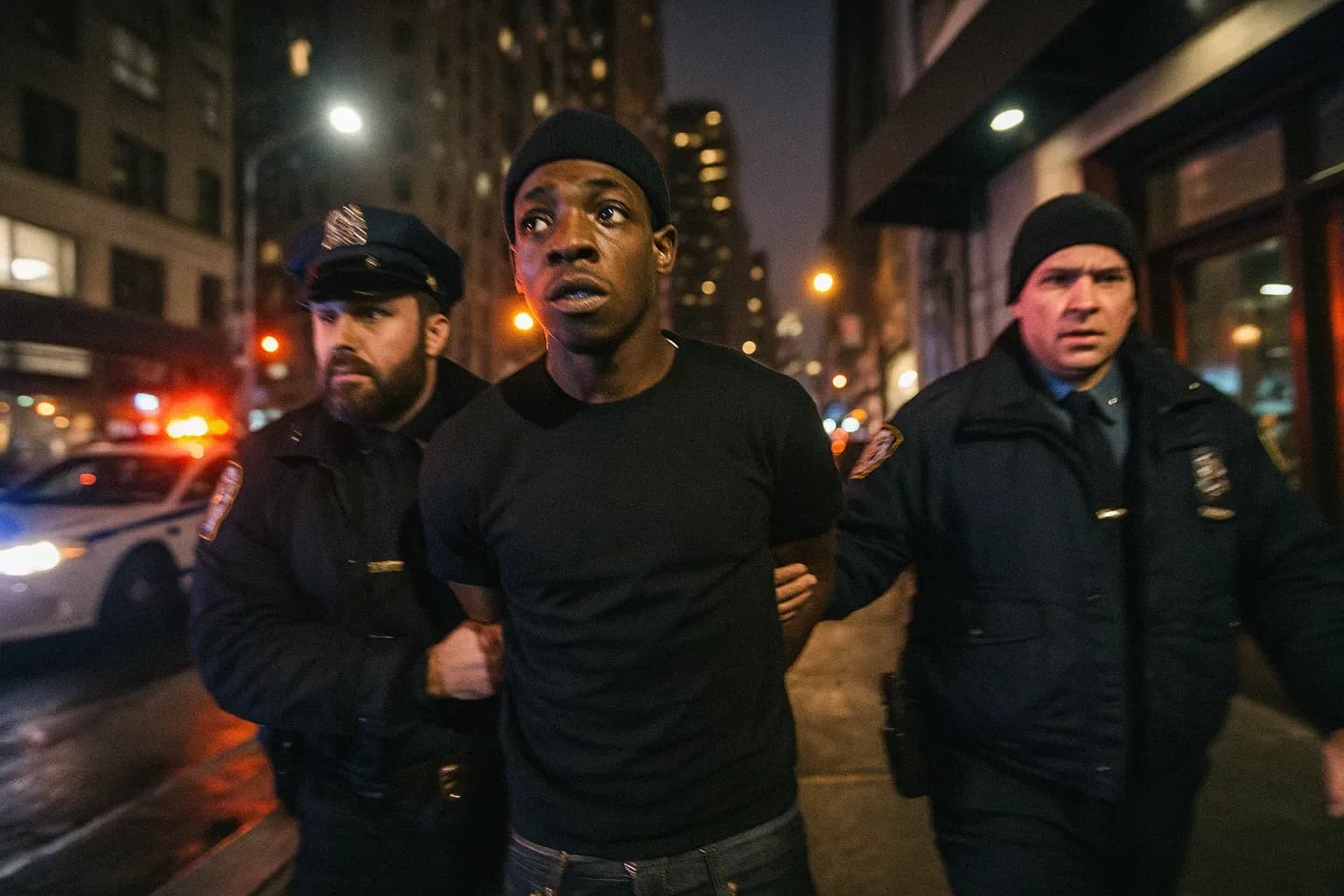
The arrest of Bobby Shmurda and GS9: NYC police raid
The journey from the streets of Brooklyn to global hip-hop success for Ackquille Pollard, known as rapper Bobby Shmurda, took a sharp turn on December 17, 2014. During a police operation at Quad Recording Studios in Manhattan, Bobby Shmurda and 14 members of his GS9 crew were arrested.
The arrests exposed a dark underworld of gang crime behind the popular hits and the viral "Shmoney Dance." Charges against the GS9 group included serious offenses such as conspiracy to commit murder, illegal weapons possession, drug trafficking, and reckless endangerment. This was the culmination of a lengthy police investigation into GS9 in New York.
Ackquille Pollard's path: Upbringing and criminal acts
Ackquille Pollard's upbringing in East Flatbush, a Brooklyn neighborhood plagued by gang crime and drug trafficking, shaped his early life. His musical breakthrough came with the single "Hot Nigga," which exploded in popularity in the summer of 2014. However, the song's lyrics, which openly discussed drug trafficking and glorified weapons, caught the attention of the authorities.
As early as January 2013, the New York Police Department's Brooklyn South Violence Reduction Task Force had initiated an investigation into GS9. The group was suspected of numerous shootings, extensive drug trafficking, and a violent feud with their rivals, "Brooklyn's Most Wanted" (BMW). Bobby Shmurda himself was arrested on June 3, 2014, for illegal weapons possession in an apartment on Rockaway Parkway after surveillance footage allegedly showed him with a loaded pistol. Although he was released on bail, this incident foreshadowed the serious charges that would follow.
Career peak, weapons in car: Shmurda's legal issues
The large-scale arrest operation in December 2014 took place while Bobby Shmurda's rap career was at its peak, featuring appearances on popular TV shows. New York police raided Quad Studios, where GS9 members were recording music, arresting 15 individuals.
During this raid, police found two handguns in Shmurda's car. A total of 21 weapons were seized throughout the entire investigation into GS9, a testament to the group's extensive arsenal. Bobby Shmurda was personally charged with two counts of criminal weapon possession and one count of conspiracy to commit murder.
NY trial: Evidence and Shmurda's guilty admission
The trial of the GS9 members in New York was a protracted and complex affair. The prosecution presented extensive evidence, including surveillance footage, intercepted jailhouse phone calls, DNA evidence, and ballistics reports. A key piece of evidence was a video from June 2014 showing Bobby Shmurda with a pistol in the Rockaway Parkway apartment.
In April 2016, GS9 members Rashid "Rasha" Derissant and Alex "A-Rod" Crandon were convicted of the second-degree murder of a rival gang member in 2013. Derissant was sentenced to 98 years to life in prison. These severe sentences increased pressure on the remaining defendants. Bobby Shmurda's own case took a turn on September 9, 2016, when he accepted a plea deal. He agreed to a sentence of seven years in prison followed by five years of supervised release. Shmurda later claimed his lawyer pressured him into the agreement, an assertion Judge Abraham Clott dismissed.
GS9 as Crips: Drugs and violence in Brooklyn
The investigation revealed that GS9 was more than a music group; it was an organized criminal enterprise known as the "G Stone Crips," a faction of the larger Crips gang. The group's primary activity was drug trafficking, particularly crack cocaine, which was distributed from so-called "trap houses" that also served to store narcotics and weapons.
GS9 members used code words such as "Crills" for drugs, "socks" or "tone" for firearms, and "suntan" for shootings. Profits from drug sales financed the purchase of more weapons and ammunition, used to defend their Brooklyn territory against rival gangs like BMW (Brooklyn's Most Wanted). One of the most serious crimes linked to GS9 was the murder of a BMW member in February 2013, during which Rashid Derissant allegedly opened fire in a bodega.
Lyrics in court: Free speech and Epic Records' role
The case against Bobby Shmurda and GS9 also raised fundamental questions about using artistic expression, specifically song lyrics, as evidence in trials. Bobby Shmurda's explicit lyrics were used by the New York prosecution, sparking a debate about freedom of speech for rappers and artists.
A subsequent New Jersey court ruling clarified that song lyrics should only be admitted as evidence if there is a direct connection to a specific crime. Shmurda also expressed frustration with his record label, Epic Records, for not helping with his $2 million bail, which he believed could have influenced his case's outcome. His defense attorneys maintained the lyrics were fictional and not a confession of gang-related crime or specific criminal acts.
From prison to parole: Shmurda's sentence 2021-2022
After serving time at Clinton Correctional Facility, a maximum-security prison in New York State where Bobby Shmurda was disciplined for, among other things, smuggling in a makeshift knife (shank), he was released on parole in February 2021. By then, he had served about six and a half years of his sentence.
His release was celebrated in the hip-hop community, but the repercussions of the GS9 case persisted. In addition to five years of supervised release, Bobby Shmurda received another conviction in 2022 for illegal weapons possession, highlighting the continued challenges faced by the young rapper.
Aftermath: Gang reality and US justice critique
The case of Bobby Shmurda and the GS9 gang is a complex story detailing the harsh realities of Brooklyn's gang environment, the dangers lurking in America's major cities, and the pitfalls that can accompany sudden fame for a young rapper.
This New York true crime case also shed light on deeper systemic questions about the line between artistic expression in music and real gang-related crime, and how race and background can influence the U.S. justice system. As Bobby Shmurda himself said about his experience with the legal system: "We're young Black men; they're white men with badges."
Delve into more cases about gang crime, justice, and the dark sides of fame. Follow KrimiNyt for the most sensational stories.
Susanne Sperling
Admin